 By
You can play free brain games online in any browser, with no app or subscription. Memory matching, Minesweeper, Sudoku-style grids, pipe puzzles and chess all make you plan, remember or reason. They are good mental exercise and fun, but research does not show they make you smarter in general.
What counts as a brain game?
"Brain game" is a loose label. Most games sold that way fall into a few groups:
- Memory games ask you to remember where things are, like matching pairs of cards.
- Logic games ask you to work out a safe or correct move from clues, like Minesweeper or Sudoku.
- Planning puzzles ask you to think a few moves ahead, like sorting liquids or connecting pipes.
- Number games ask you to combine or place numbers to reach a target.
- Strategy board games like chess combine all of the above.
The list below has at least one game from each group, so you can find the kind of thinking you enjoy most.
Can brain games make you smarter?
This is the question most people really mean when they ask about brain training, and the honest answer is "probably not much." Wikipedia's summary of brain training research says a 2016 review found some evidence that people improve at the tasks they practice, less evidence that this carries over to related tasks, and almost no evidence that it improves everyday thinking.
Regulators have taken this seriously. In 2016 the US Federal Trade Commission said the maker of Lumosity would pay $2 million to settle charges that it made unsupported claims, such as that its games improved performance at school and work.
So treat the games below as what they are: enjoyable puzzles that keep you focused for a while. If you get better at Minesweeper, you got better at Minesweeper. That is still a good use of a break.
Quick comparison
| Game | Type | What the description lists | Layout |
|---|---|---|---|
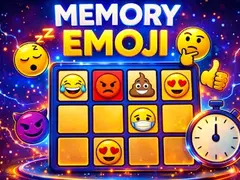
| Memory Emoji | Memory | 32 emoji pairs, against the clock | Landscape |
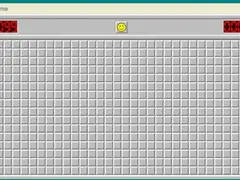
| Minesweeper | Logic | Number clues, hidden mines | Portrait |
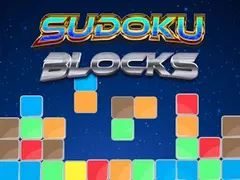
| Sudoku Blocks | Logic and placement | Numbers 1–9, no repeats | Portrait |
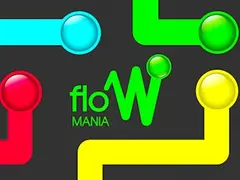
| Flow Mania | Planning | Connect dots, 150+ levels | Portrait |
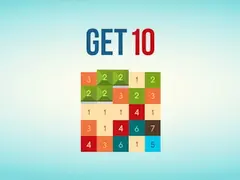
| Get 10 | Numbers | 5×5 grid, reach 10 | Portrait |
| Lipuzz - Water Sort Puzzle | Planning | Pour liquids, avoid deadlocks | Portrait |
| Brain Puzzle Tricky Choices | Lateral thinking | Story levels, tricky choices | Landscape |
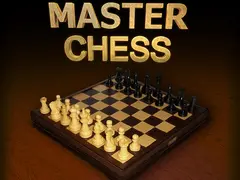
| Master Chess | Strategy | Vs computer (3 levels) or local friend | Landscape |
Our catalog data does not list controls for most of these games, so the notes say so where that applies.
1. Memory Emoji: best for short-term memory
Memory Emoji is a classic pairs game. Its description says you race the clock to match 32 emoji pairs, and it invites you to beat your own record. Each round is short, and the timer gives you a clear number to improve on.
Controls are not listed. It uses a landscape layout, so it is easiest on a laptop or a phone turned sideways.
2. Minesweeper: best for pure logic
Minesweeper gives you a grid of hidden tiles. Each tile you open shows a number, and its description says those numbers guide you toward safe tiles while you avoid the mines. Good play is mostly careful reasoning, with an occasional guess when the clues run out.
It runs in portrait, which fits a phone held upright. Controls are not listed beyond clicking tiles.
3. Sudoku Blocks: best for Sudoku fans who want a twist
Sudoku Blocks mixes Sudoku with block placement. Its description says you fill the grid with numbers 1 to 9 without repeating them in rows, columns or regions. If the rules are new to you, our guide on how to play Sudoku covers them step by step.
It uses a portrait layout. Controls are not listed.
4. Flow Mania: best for calm planning
Flow Mania asks you to connect colored dots with pipes so the whole board fills with no overlaps. Its description says there are over 150 levels that get harder as you go. There is no timer mentioned, so you can take each board at your own pace.
It runs in portrait. Controls are not listed, though its description says it is easy to play anywhere.
5. Get 10: best for number lovers
Get 10 is played on a 5×5 grid. Its description says you combine matching numbered boxes to grow them, with the goal of reaching 10, and that each move takes careful planning. Fans of merge games like 2048 will feel at home, and our 2048 strategy guide has tips that carry over.
It uses a portrait layout. Controls are not listed.
6. Lipuzz - Water Sort Puzzle: best for thinking ahead
Lipuzz - Water Sort Puzzle has you pour colored liquids between containers until each holds one color. Its description warns you to plan carefully and avoid deadlocks, which is the whole challenge: one careless pour can leave you stuck.
It runs in portrait. Controls are not listed.
7. Brain Puzzle Tricky Choices: best for lateral thinking
Brain Puzzle Tricky Choices is a different kind of brain game. Its description says each level tests logic and creativity inside a story, with choices that open new paths as the levels get more complex.
It uses a landscape layout. Controls are not listed.
8. Master Chess: best for deep strategy
Master Chess is standard chess. Its description lists two modes: play against the computer at three difficulty levels, or play a friend on the same device. Its instructions list mouse controls. The three difficulty levels let you start easy and step up as you improve.
It runs in landscape, so a computer screen is the most comfortable way to play.
More games that make you think
The puzzle category has many more logic and planning games. If you like numbers best, see our list of fun math games online. For an older relative who wants gentle puzzles, our guide to online games for seniors picks out easy-to-learn options.
Frequently asked questions
Are these brain games really free?
Yes. All eight games are free to play in a browser on Gameziko, with no download, subscription or account. The site is supported by ads, so you may see one before or between rounds. None of the games needs a payment to unlock the levels described above.
Do brain games improve memory?
They usually improve your skill at the game you practice. Research summarized on Wikipedia finds little evidence that this carries over to everyday memory or thinking. Play memory games because you enjoy them, and don't expect them to work like a treatment or a cure.
Which brain game is best for a phone?
Minesweeper, Sudoku Blocks, Flow Mania, Get 10 and Lipuzz - Water Sort Puzzle all use a portrait layout that fits a phone held upright. Touch controls are not listed in our data for them, so try a level to see how it feels.
Which brain game is good for beginners?
Memory Emoji is the easiest to understand, since you only match pairs. Flow Mania is also simple to learn and has no timer in its description. Chess and Minesweeper take longer to learn but reward practice.